
Same-Day SR-22 Filing — Aurora, IL
Free to compare
Why Same-Day Filing Does Not Mean Same-Day Clearance
You call a carrier Monday morning asking for same-day SR-22 filing because your employer needs proof by close of business. The carrier files electronically within hours. You check the Illinois Secretary of State driver record Tuesday and see no change. Wednesday your employer's HR department rejects the SR-22 certificate you handed them because the SOS suspension status still shows active. The filing happened same-day; the clearance did not.
Illinois operates an electronic SR-22 filing system that allows carriers to transmit certificates to the Secretary of State instantly. The SOS does not process those filings instantly. Electronic submission means the carrier's work completes in hours, not days. The state's suspension review, reinstatement eligibility check, and driver record update follow a separate administrative timeline that runs 3–5 business days regardless of how quickly the carrier filed. Same-day filing is carrier behavior. Clearance is SOS administrative processing, and the SOS does not expedite based on filing speed.
“Same-day filing is carrier behavior. Clearance is SOS administrative processing, and the SOS does not expedite based on filing speed.”

See What an SR-22 Really Costs in Illinois
Get My Illinois SR-22 Auto Insurance Quote3–5 business days
Illinois SOS SR-22 Processing Window
The Secretary of State reviews incoming SR-22 filings in the order received and updates driver records after verifying reinstatement fee payment, suspension period completion, and absence of active holds. Filing electronically does not change this review timeline.
Illinois Secretary of State Safety and Financial Responsibility Division processing standards
What Same-Day SR-22 Filing Actually Means in Aurora
Same-day SR-22 filing describes the carrier's ability to issue a policy, generate the SR-22 certificate, and transmit it electronically to the Illinois Secretary of State on the same calendar day you purchase coverage. Carriers writing high-risk and SR-22 business in Illinois submit filings electronically through the SOS electronic insurance verification system. The filing reaches the state the same day. The state does not act on it the same day.
Aurora drivers can access same-day filing through carriers operating local agencies or offering online quote-to-bind workflows with immediate SR-22 submission. Carriers confirmed to write SR-22 in Illinois and offer same-day electronic filing include Progressive, GEICO, Dairyland, The General, Bristol West, State Farm, GAINSCO, Acceptance, Infinity, Kemper, and National General. Not all write coverage for all suspension triggers. DUI-related suspensions limit carrier availability; uninsured motorist violations and points-based suspensions open more options.
The phrase same-day does not mean free. Carriers offering expedited issuance workflows often charge SR-22 filing fees between $15 and $50 on top of the premium. The filing fee is one-time. The premium increase for SR-22-required coverage runs for the full 3-year filing period Illinois mandates after most suspension triggers. Monthly premium for minimum liability coverage with SR-22 in Aurora typically ranges $110–$190 for standard-risk drivers and $180–$320 for drivers with DUI history, based on available industry data; individual rates vary by driving history, vehicle, coverage selections, and location.
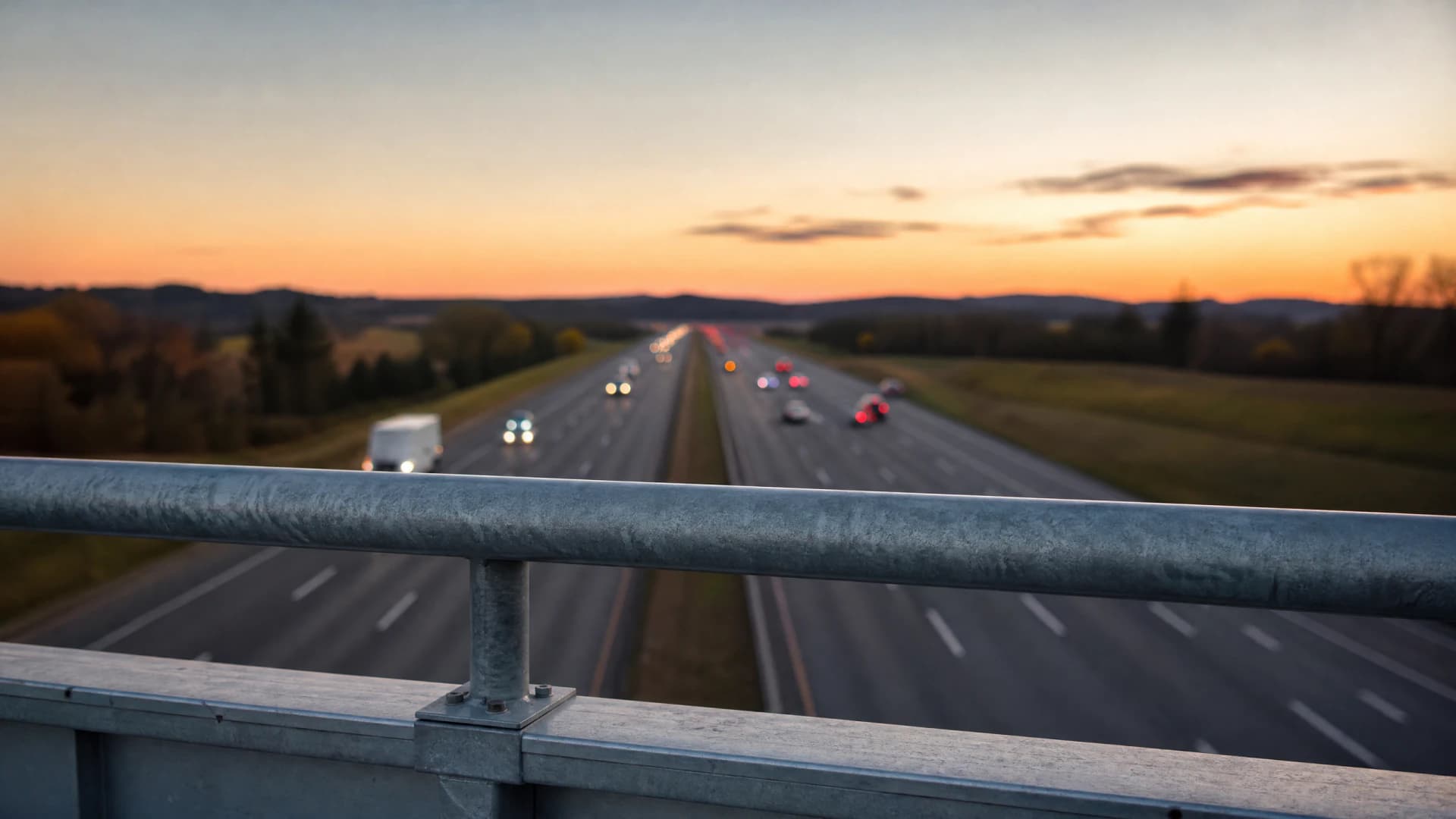
You cannot drive legally in Illinois during the 3–5 business day SOS processing window even if the carrier filed your SR-22 same-day. Suspension remains active until the SOS updates your record.






Carrier Availability and Non-Owner SR-22 Options
If you do not own a vehicle but need SR-22 to satisfy Illinois reinstatement requirements, request a non-owner SR-22 policy. Non-owner coverage provides liability insurance when you drive vehicles you do not own and satisfies the state's SR-22 filing mandate without requiring you to insure a specific vehicle. Monthly premium for non-owner SR-22 in Aurora typically runs $40–$85 for standard suspensions and $70–$140 for DUI-related revocations, based on available industry data; individual rates vary.
Carriers confirmed to write non-owner SR-22 in Illinois include Progressive, GEICO, Dairyland, The General, and USAA. Not all carriers offer same-day issuance on non-owner policies. Progressive and GEICO support online quote-to-bind with immediate electronic SR-22 filing for non-owner coverage. Dairyland and The General require phone or agent contact but typically issue and file same-day if you call before 3 p.m. local time. USAA restricts eligibility to military members, veterans, and their families.
Non-owner SR-22 does not cover vehicles you own, lease, or regularly use. If you live with a family member who owns a vehicle and you have regular access, most carriers require you to purchase standard SR-22 coverage listing that vehicle rather than issuing non-owner coverage. Misrepresenting vehicle access to obtain cheaper non-owner rates constitutes material misrepresentation and gives the carrier grounds to deny claims and cancel the policy, which triggers a new suspension when the SOS receives the cancellation notice.
$500
Illinois First DUI Reinstatement Fee
This fee is distinct from the $70 base administrative suspension reinstatement fee and must be paid before the Secretary of State will process your SR-22 filing and clear your revocation. Second or subsequent DUI revocations carry a $1,000 reinstatement fee.
Illinois Secretary of State reinstatement fee schedule

When Filing Speed Actually Matters
Same-day SR-22 filing becomes operationally important when your suspension period ends on a specific date and you need the SR-22 on file before that date passes. Illinois calculates suspension periods from the conviction date or the administrative action date, not from the date you file SR-22. If your 12-month suspension for uninsured motorist violation ends December 15 and you purchase SR-22 coverage December 14, the carrier must file by end-of-day December 14 for the SOS to receive the filing before your eligibility window opens.
Filing late does not extend your suspension, but it delays clearance. If the SOS receives your SR-22 filing after your suspension period expires, the processing clock starts from the date the filing arrives, not the date your suspension technically ended. A suspension ending December 15 with SR-22 filed December 18 typically clears December 21–23, assuming no holds. You cannot drive legally during that gap even though your suspension period ended December 15.
Compare SR-22 Carriers Writing in Aurora
Progressive, GEICO, State Farm, and Dairyland write the majority of SR-22 policies in Aurora and Kane County. Progressive offers online binding with same-day electronic filing for both standard and non-owner SR-22. GEICO supports online quotes but routes SR-22 issuance through phone underwriting for DUI-related suspensions; non-DUI suspensions typically bind online with same-day filing. State Farm requires agent contact for all SR-22 business but agents with evening or weekend hours can issue and file same-day if you reach them before their submission cutoff, usually 5 p.m. Dairyland specializes in high-risk and post-DUI coverage and offers same-day filing through phone sales and independent agents.
Bristol West, The General, GAINSCO, and Acceptance write non-standard and high-risk SR-22 business when standard carriers decline coverage. Monthly premiums from these carriers typically run 20–40% higher than standard-market equivalents but approval rates are higher for drivers with multiple violations, DUI history, or lapses exceeding 90 days. Each carrier files electronically and supports same-day submission when you purchase coverage before their daily cutoff time, generally 4–5 p.m. Central.
Request quotes from at least three carriers. SR-22 premium variation in Aurora exceeds $100/month between the lowest and highest quote for identical coverage and driver profile. Carriers price suspension triggers differently: some penalize DUI heavily and treat uninsured violations lightly, others reverse that weighting. Your specific violation history, age, and ZIP code within Aurora create premium differences that do not correlate with carrier size or brand recognition. The lowest quote comes from comparison, not from assuming the largest carrier offers the best rate.
What Happens Between Filing and Clearance
The carrier transmits your SR-22 electronically to the Illinois Secretary of State Safety and Financial Responsibility Division the same day you bind coverage. The SOS logs the filing in the incoming queue. The filing sits in that queue until an SOS processor reviews your driver record for reinstatement eligibility. The processor checks that your suspension period has expired, that you paid the reinstatement fee (typically $70 for non-DUI administrative suspensions, $500 for first DUI revocation, $1,000 for second or subsequent DUI), and that no additional holds exist on your record from unpaid tickets, child support arrears, or overlapping suspensions.
If your record clears all checks, the SOS updates your driver status from suspended to valid and the SR-22 filing attaches to your record as active. If a hold exists, the SOS does not clear the suspension and you receive notification of the outstanding requirement. Most Aurora drivers discover holds during this processing window, not before. Unpaid City of Aurora parking tickets, outstanding Kane County traffic fines, and unresolved Secretary of State administrative fees all function as holds that block clearance even when the SR-22 filing itself is valid.
Get Your Free Quote
Get My Illinois SR-22 Auto Insurance QuoteFrequently Asked Questions
Can I drive in Illinois the same day my carrier files SR-22?
No. Your suspension remains active until the Illinois Secretary of State processes the SR-22 filing and updates your driver record, which takes 3–5 business days. Driving during that processing window is driving under suspension.
How much does same-day SR-22 filing cost in Aurora?
Carriers typically charge a one-time SR-22 filing fee of $15–$50. Monthly premium for minimum liability coverage with SR-22 in Aurora typically ranges $110–$190 for standard suspensions and $180–$320 for DUI-related revocations. Individual rates vary by driving history and coverage selections.
Which carriers offer same-day SR-22 filing in Illinois?
Progressive, GEICO, Dairyland, The General, Bristol West, State Farm, GAINSCO, Acceptance, Infinity, Kemper, and National General all file SR-22 electronically in Illinois and support same-day submission when you purchase coverage before their daily cutoff time, typically 4–5 p.m. Central.
Do I need a vehicle to get SR-22 in Aurora?
No. Non-owner SR-22 policies satisfy Illinois filing requirements without insuring a specific vehicle. Monthly premium for non-owner SR-22 typically runs $40–$85 for standard suspensions. Progressive, GEICO, Dairyland, The General, and USAA write non-owner SR-22 in Illinois.
What happens if I file SR-22 after my suspension period ends?
The Secretary of State processing clock starts from the date the SR-22 filing arrives, not the date your suspension ended. A suspension ending December 15 with SR-22 filed December 18 typically clears December 21–23. You cannot drive legally during that gap.
How long do I need to maintain SR-22 in Illinois?
Illinois requires SR-22 filing for 3 years after most suspension triggers, measured from the reinstatement date. Canceling coverage or allowing it to lapse during the 3-year period triggers a new suspension when the Secretary of State receives the cancellation notice from your carrier.