
Non-Owner SR-22 for Suspended License — Illinois
Free to compare
The Non-Owner SR-22 Path After Suspension
You sold your car after the suspension hit, or never owned one to begin with, but Illinois Secretary of State records show you need SR-22 filing to clear the reinstatement block. The standard auto insurance quote you requested came back at $180/month, which you can't justify when you're not even driving your own vehicle. The agent didn't mention that non-owner SR-22 exists specifically for drivers in your position.
Non-owner SR-22 insurance is a liability-only policy designed for suspended drivers who need to satisfy state filing requirements without insuring a vehicle they own. It covers you when driving a borrowed car, a rental, or a vehicle owned by someone else in your household. Illinois accepts non-owner SR-22 filings for reinstatement purposes across all suspension triggers that require SR-22, including DUI-related suspensions, uninsured motorist violations, and certain point-accumulation cases.
“Non-owner SR-22 costs 40–60% less than standard auto SR-22 and satisfies Illinois SOS filing requirements without insuring a vehicle you don't own.”

See What an SR-22 Really Costs in Illinois
Get My Illinois SR-22 Auto Insurance Quote$25–$50/mo
Non-Owner SR-22 Premium Range
Illinois non-owner SR-22 policies from non-standard carriers typically cost $25–$50 per month for minimum state liability limits, compared to $140–$220/month for standard auto policies with SR-22 endorsement. Individual rates vary by violation history and carrier underwriting.
Estimates based on available carrier rate data for Illinois non-standard market
What Non-Owner SR-22 Actually Covers
Non-owner SR-22 provides the state-required minimum liability coverage when you drive a vehicle you don't own. Illinois minimum limits are $25,000 bodily injury per person, $50,000 bodily injury per accident, and $20,000 property damage. The policy does not cover damage to the vehicle you're driving — that responsibility falls to the vehicle owner's insurance or remains your out-of-pocket liability.
The SR-22 portion is a financial responsibility certificate filed electronically by the insurer with the Illinois Secretary of State. It proves continuous coverage is in force. If the policy lapses or cancels, the carrier notifies the SOS within 10 days, triggering immediate re-suspension of your driving privileges. The SR-22 filing requirement lasts 3 years from your reinstatement date for most violation types.
Non-owner policies exclude coverage for vehicles you own, vehicles registered in your name, vehicles available for your regular use, and commercial vehicle operation. If you purchase or register a vehicle during the SR-22 filing period, you must convert to a standard auto policy with SR-22 endorsement within 30 days or face coverage gaps that violate reinstatement conditions.
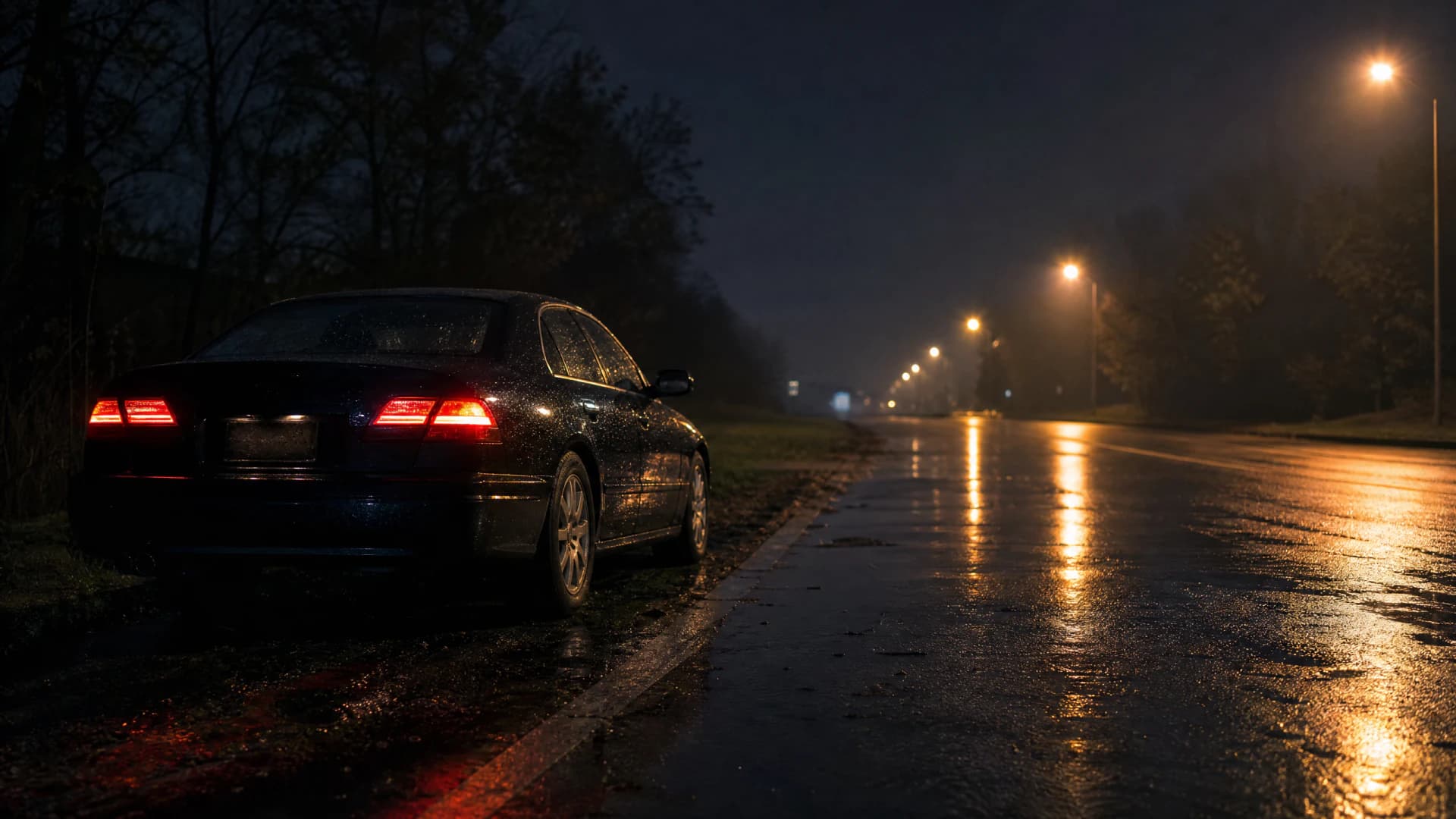
Illinois suspended drivers who buy a car mid-filing period must switch from non-owner to standard SR-22 within 30 days — coverage gaps trigger automatic re-suspension even if you notified no one.




Switching from Standard to Non-Owner Mid-Filing
Drivers who began SR-22 filing with a standard auto policy and later sold their vehicle can switch to non-owner SR-22 without restarting the 3-year filing clock. The SR-22 requirement tracks from your original reinstatement date regardless of policy type changes, as long as continuous coverage is maintained with no lapse.
Contact your current carrier first to determine whether they offer non-owner SR-22 conversion. If they don't write non-owner policies, obtain a firm effective date from a new non-standard carrier, then cancel the standard policy to align end date with the non-owner start date. Even a single day of gap coverage triggers SOS notification and re-suspension. Most carriers require 10–15 days' notice for policy changes; plan the transition carefully and confirm SR-22 filing transfer in writing before canceling existing coverage.
$70 + suspension-specific fees
Illinois Reinstatement Fee Base
Illinois charges a $70 base reinstatement fee for most suspensions. DUI-related revocations add $500 for first offense or $1,000 for subsequent offenses on top of the base fee. Multiple simultaneous suspensions stack fees independently.
Illinois Secretary of State fee schedule
Which Carriers Write Non-Owner SR-22 in Illinois
Non-owner SR-22 is a non-standard market product. Standard-tier carriers like Allstate, State Farm, and Farmers either don't offer non-owner policies or restrict them to clean-record drivers without SR-22 filing needs. Non-standard specialists writing non-owner SR-22 in Illinois include Progressive, GEICO, Dairyland, The General, GAINSCO, and Bristol West. Not all non-standard carriers write non-owner — confirm SR-22 non-owner availability before applying.
Rates vary significantly by violation type and recency. A suspended driver with a single uninsured motorist violation may qualify for $25–$35/month. A driver with DUI suspension plus additional moving violations typically sees $45–$65/month. Carriers underwrite non-owner SR-22 based on your Motor Vehicle Record, not the vehicle, so your violation history drives pricing more heavily than in standard auto underwriting.
Get Non-Owner SR-22 Coverage Now
Non-owner SR-22 removes the false choice between paying for full auto insurance on a car you don't own and delaying reinstatement indefinitely. Illinois accepts non-owner SR-22 filings for all suspension types that require SR-22, and the 3-year clock starts the day your policy activates and the SOS receives electronic filing confirmation. Compare non-standard carriers writing non-owner SR-22 in Illinois to find the lowest rate for your violation profile and secure coverage before your reinstatement hearing or RDP application.
Non-Owner SR-22 and Restricted Driving Permits
Illinois RDP applicants must submit proof of SR-22 insurance at the SOS hearing. Non-owner SR-22 qualifies for this requirement. The RDP restricts you to specific routes and purposes — typically employment, medical appointments, school, or court-ordered programs like alcohol treatment. Non-owner SR-22 liability coverage extends to driving within those permitted activities when using a vehicle you don't own, such as a family member's car or a work vehicle.
If your RDP requires a Breath Alcohol Ignition Interlock Device (BAIID) due to DUI-related suspension, the BAIID and non-owner SR-22 operate independently. The BAIID installer certifies device compliance to the SOS; the SR-22 carrier certifies continuous insurance. Both must remain active throughout the RDP period. Violation of either condition results in RDP revocation and reinstatement delay. Carriers writing non-owner SR-22 for BAIID-required RDP cases are fewer but available through non-standard market specialists.
Get Your Free Quote
Get My Illinois SR-22 Auto Insurance QuoteFrequently Asked Questions
Can I get an Illinois RDP with non-owner SR-22 insurance?
Yes. Illinois accepts non-owner SR-22 as proof of financial responsibility for Restricted Driving Permit applications. Submit the SR-22 filing confirmation at your SOS hearing along with other required documentation. Non-owner SR-22 covers you when driving within RDP-approved routes and purposes using a vehicle you don't own.
How long does non-owner SR-22 filing last in Illinois?
Illinois requires SR-22 filing for 3 years from your reinstatement date for most suspension triggers. The 3-year period applies regardless of whether you carry non-owner or standard auto SR-22. If you switch policy types mid-filing, the clock does not restart as long as coverage remains continuous.
What happens if I buy a car while on non-owner SR-22?
You must switch from non-owner to standard auto SR-22 within 30 days of purchasing or registering a vehicle. Non-owner policies exclude vehicles you own. Notify your carrier immediately when you acquire a vehicle to avoid coverage gaps that trigger SOS re-suspension notification.
Does non-owner SR-22 cover rental cars in Illinois?
Yes. Non-owner SR-22 provides liability coverage when you drive rental vehicles. The policy does not cover damage to the rental car itself — you would need to purchase the rental company's collision damage waiver or rely on credit card rental coverage for physical damage protection.
Can I reinstate my Illinois license with only non-owner SR-22?
Yes, if you don't own a vehicle. Illinois Secretary of State accepts non-owner SR-22 for reinstatement across all suspension types that require SR-22 filing. You must maintain continuous non-owner SR-22 coverage for the full 3-year filing period and pay all reinstatement fees before the SOS clears your driving record.
How much does non-owner SR-22 insurance cost in Illinois?
Non-owner SR-22 in Illinois typically costs $25–$50 per month for minimum state liability limits through non-standard carriers. Rates vary by violation history, with DUI-related suspensions and multiple violations pushing premiums toward the higher end. Standard auto SR-22 policies cost $140–$220/month by comparison.