
Lowering SR-22 Insurance Costs — Illinois
Free to compare
Why Your First SR-22 Quote Is Usually Too High
You received your first SR-22 quote and the premium looks punitive. The sticker shock is real: you're seeing numbers $70–$200 per month higher than before your suspension. That jump is not the SR-22 filing itself — the Illinois SR-22 filing fee is a one-time $25–$50 charge set by the carrier. The actual cost driver is tier placement: most carriers route SR-22 filers into non-standard tiers with surcharge structures that assume maximum risk, regardless of your actual violation history or how long ago the triggering event occurred.
This tier assignment is the structural blocker keeping your premium high. Understanding the difference between the SR-22 filing requirement (which lasts 3 years from reinstatement for most DUI triggers in Illinois) and the tier surcharge (which can follow you for 5+ years even after the filing period ends) is the key to lowering what you actually pay. The SR-22 itself does not set your premium. The underwriting tier does.
“The tier surcharge outlasts the SR-22 filing by years — exit strategy starts at renewal one, not year three.”

See What an SR-22 Really Costs in Illinois
Get My Illinois SR-22 Auto Insurance Quote$25–$50
Illinois SR-22 Filing Fee
One-time charge per carrier policy when SR-22 is added. The fee is not an annual cost and does not recur during the 3-year filing period. Some carriers waive it entirely for new policies written with SR-22 from day one.
Carrier filing schedules, Illinois licensed carriers 2025
Filing Fee vs Tier Surcharge: What Actually Costs Money
The SR-22 filing is a certification submitted by your insurer to the Illinois Secretary of State confirming you carry the state minimum liability coverage ($25,000 bodily injury per person, $50,000 per accident, $20,000 property damage). The filing itself is administrative paperwork. Your carrier processes it electronically within 1–3 business days of policy issuance. That filing costs $25–$50 once.
The tier surcharge is the premium increase resulting from underwriting classification. Illinois carriers classify drivers by risk tier: preferred (clean record, no claims), standard (minor violations, occasional claims), and non-standard (major violations, suspensions, DUI, multiple at-fault accidents). SR-22 filers enter non-standard tier by default. Non-standard tier premiums run 40–180% higher than standard tier for identical coverage limits because the actuarial tables price in higher claim frequency and severity.
The tier surcharge is not itemized on your bill as a separate line. It is baked into the base premium. When you compare a $90/month liability policy to a $240/month policy for the same coverage, that $150 gap is tier assignment, not the filing. The filing fee is visible and small. The tier cost is invisible and large.

Your tier assignment outlasts the SR-22 filing requirement by years. The filing ends after 3 years; the tier surcharge can persist for 5+ years depending on carrier lookback windows and state violation drop-off rules.





Non-Owner SR-22: The Lowest-Cost Filing Path for Suspended Drivers Without a Vehicle
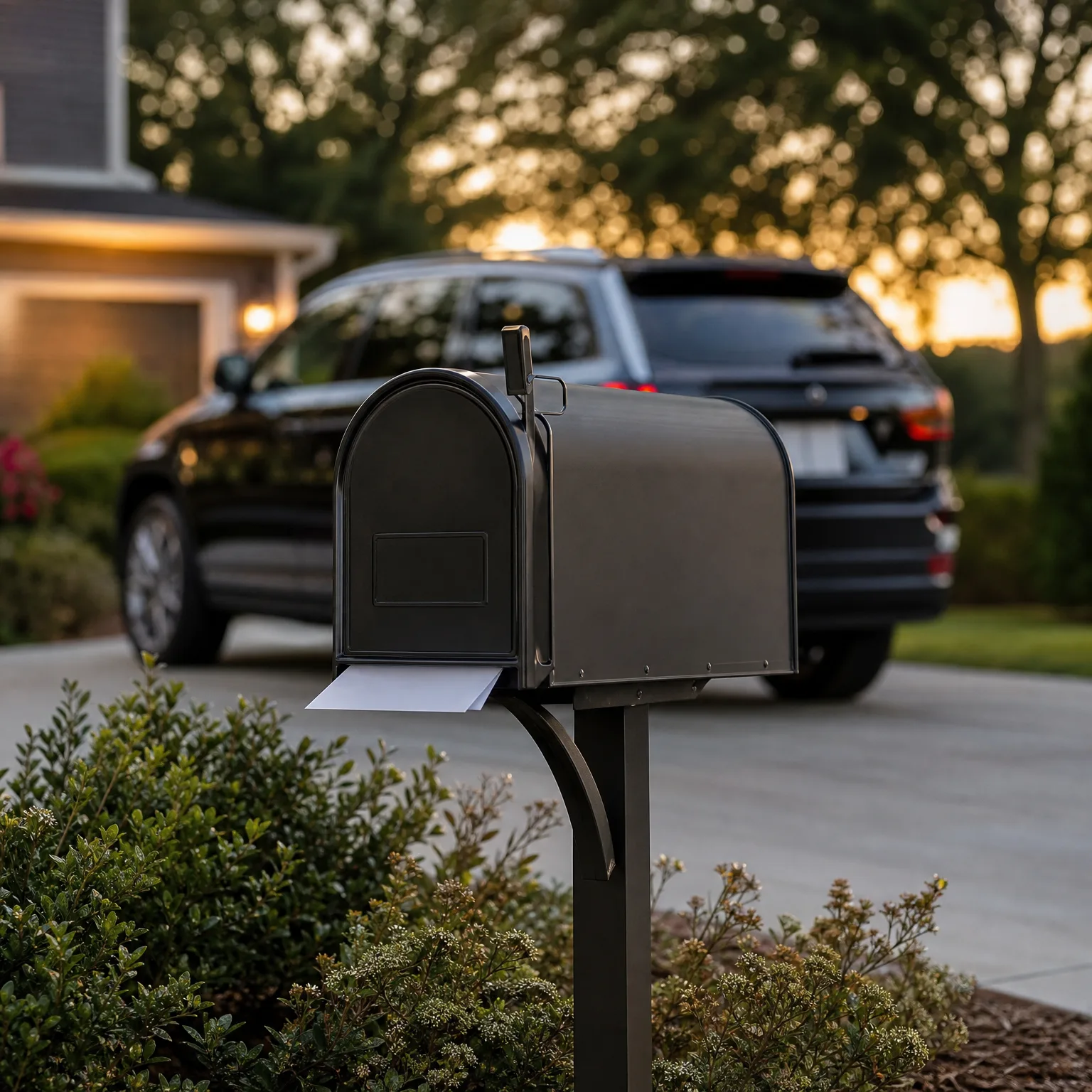
If you do not own a vehicle but need SR-22 to satisfy Illinois Secretary of State reinstatement requirements, a non-owner SR-22 policy is the correct product. Non-owner policies provide liability coverage when you drive a vehicle you do not own: borrowed cars, rental cars, or employer vehicles. They do not cover a specific vehicle because you do not have one to insure. The SR-22 filing attached to a non-owner policy certifies you carry continuous liability coverage even without owning a car.
Non-owner SR-22 premiums in Illinois run $30–$70/month in non-standard tier, roughly 40–60% lower than standard owner SR-22 policies, because the underwriting exposure is lower. You are not driving daily. The vehicle you occasionally operate is insured by its owner as primary coverage; your non-owner policy is excess. Carriers price that reduced exposure accordingly.
Geico, Progressive, Dairyland, The General, and USAA all write non-owner SR-22 in Illinois. If your suspension was insurance-lapse-triggered or DUI-triggered and you sold your vehicle post-suspension, non-owner SR-22 satisfies the state filing requirement at the lowest possible premium. You maintain legal compliance without paying to insure a car you do not drive.
3 years
Illinois DUI SR-22 Filing Period
Measured from reinstatement date, not conviction date. The filing must remain active and uninterrupted for the full 3-year period. A lapse of even one day resets the clock and triggers a new suspension.
Illinois Secretary of State Safety and Financial Responsibility Division

When to Re-Shop and How to Exit Non-Standard Tier Faster
Your tier assignment is not permanent. Carriers re-evaluate risk at each renewal based on time elapsed since the violation, claims history during the current policy term, and whether new violations have occurred. Most Illinois carriers apply a 3-year lookback window for major violations and a 5-year lookback for DUI. Once your violation falls outside the lookback window, you become eligible for standard tier pricing even if the SR-22 filing is still active.
Re-shop every 6–12 months during the SR-22 filing period. A DUI that is 24 months old prices better than a DUI that is 12 months old, but your current carrier may not automatically move you to a lower tier mid-term. Requesting a re-quote forces underwriting to reprice your policy with updated time-since-violation. If your current carrier will not reclassify you, a competing carrier writing the same non-standard segment may offer a lower tier because their lookback threshold works in your favor.
After the 3-year SR-22 filing requirement ends, notify your carrier that the filing can be removed. The removal itself does not lower your premium — tier assignment is the cost driver — but it signals to underwriters that your compliance period has closed. Within 6–12 months after filing removal, most drivers with clean records during the filing period qualify for standard tier. Shop again at that moment. The premium drop from non-standard to standard tier is typically 30–50%, larger than any discount or coverage adjustment you can make inside non-standard tier.
What to Do Right Now
Start by quoting liability-only SR-22 policies from at least four non-standard carriers writing Illinois. Use identical coverage limits across all quotes: state minimum liability ($25,000/$50,000/$20,000) if that satisfies your reinstatement letter, or higher limits if the Secretary of State specified them. Request the SR-22 filing at the time of quote so the premium reflects the correct underwriting tier. Compare the monthly premium, the filing fee, and the down payment required. The lowest monthly rate is not always the lowest total cost if the down payment is 40% of the six-month premium.
If you do not own a vehicle, quote non-owner SR-22 policies instead. Make sure the quote specifies non-owner — some carriers will default to owner policies even when you state you have no car. Verify the SR-22 filing is included and that the policy will be submitted to the Illinois Secretary of State electronically within 1–3 business days of purchase. Set a calendar reminder to re-shop in 6 months. Tier pricing changes faster than most drivers realize, and carriers do not notify you when you become eligible for a lower classification.
Three Moves That Lower Your Tier Cost Immediately
Compare non-standard specialists writing your specific trigger. Carriers that specialize in SR-22 post-DUI or post-suspension policies price non-standard tier more competitively than general-market carriers because their actuarial models account for violation type and time-since-event with finer granularity. Dairyland, Bristol West, The General, Progressive non-standard division, and GAINSCO all write Illinois SR-22 policies and tier DUI filers differently than each other. A DUI 18 months old gets better pricing than a DUI 6 months old at most carriers, but the rate improvement curve varies significantly. Shopping 4–6 non-standard carriers produces quotes spanning $80–$140/month for identical coverage because each uses different tier thresholds.
Drop collision and comprehensive if vehicle value is under $4,000. Liability-only SR-22 policies cost 50–70% less than full-coverage SR-22 policies in non-standard tier because collision and comprehensive premiums multiply by the same tier surcharge factor. If your vehicle is worth $3,500 and your collision deductible is $1,000, you are paying $60–$100/month to insure $2,500 of post-deductible value. Liability-only satisfies Illinois SR-22 requirements as long as you meet state minimums. Full coverage is not required unless a lienholder mandates it. Dropping physical damage coverage cuts your premium immediately without affecting your filing status.
Get Your Free Quote
Get My Illinois SR-22 Auto Insurance QuoteFrequently Asked Questions
Does the SR-22 filing itself make my insurance more expensive?
No. The SR-22 filing is a $25–$50 one-time administrative fee charged by your carrier to submit proof of coverage to the Illinois Secretary of State. The cost increase you see on your premium is tier reclassification: carriers move SR-22 filers into non-standard underwriting tiers that price 40–180% higher than standard tier for identical coverage. The filing certifies compliance; the tier assignment sets the premium.
How much does SR-22 insurance cost per month in Illinois?
Liability-only SR-22 policies in Illinois typically cost $85–$240/month in non-standard tier depending on violation type, time since violation, age, county, and carrier. Non-owner SR-22 policies run $30–$70/month. Full-coverage SR-22 policies with collision and comprehensive range $180–$400/month. These are tier-driven ranges, not filing-fee costs. Individual quotes vary significantly by carrier underwriting model.
Can I get SR-22 insurance cheaper if I only need it for reinstatement and do not own a car?
Yes. Non-owner SR-22 policies provide liability coverage when you drive vehicles you do not own and cost 40–60% less than standard owner SR-22 policies. Illinois accepts non-owner SR-22 filings for reinstatement as long as you meet state minimum liability limits. Geico, Progressive, Dairyland, The General, and USAA write non-owner SR-22 in Illinois. This is the correct product if you sold your vehicle post-suspension or do not plan to own a car during the filing period.
How long do I have to keep SR-22 insurance in Illinois?
Illinois requires SR-22 filing for 3 years from reinstatement date for most DUI and serious-violation triggers. The filing must remain active without interruption for the full period. A lapse of even one day resets the 3-year clock and triggers a new suspension. Your carrier will notify the Secretary of State electronically if your policy cancels or lapses. After 3 years, you can request SR-22 removal, but tier surcharges may persist beyond the filing period depending on carrier lookback windows.
Will my SR-22 insurance rate go down over time?
Yes, if you re-shop and avoid new violations. Carriers reprice risk based on time elapsed since the triggering violation. A DUI 24 months old prices better than a DUI 12 months old. Most carriers apply 3–5 year lookback windows; once your violation falls outside that window, you qualify for standard tier even if SR-22 is still active. Re-shop every 6–12 months during the filing period to capture tier improvements your current carrier may not apply automatically.
Do all insurance companies in Illinois offer SR-22 filing?
No. Preferred-tier carriers like Amica, Erie, and Auto-Owners typically do not write SR-22 policies. Standard and non-standard carriers that specialize in high-risk drivers offer SR-22: Geico, Progressive, State Farm, Dairyland, Bristol West, The General, GAINSCO, National General, and Acceptance Insurance all write SR-22 in Illinois. Shopping multiple non-standard carriers is critical because tier pricing varies significantly even for identical coverage and violation history.
What happens if I let my SR-22 insurance lapse before the 3-year period ends?
Your carrier notifies the Illinois Secretary of State electronically within 24–72 hours of policy cancellation or lapse. The Secretary of State suspends your license immediately. The 3-year SR-22 filing requirement resets from zero when you reinstate again. You also face a new suspension and potentially a reinstatement fee. Maintaining continuous coverage without interruption for the full 3 years is mandatory.