
High-Risk SR-22 Insurance — Illinois
Free to compare
You Have an SR-22 Requirement But No Coverage
Your license is suspended in Illinois. You need an SR-22 filing to apply for a Restricted Driving Permit or to reinstate after your suspension period ends. You called your current carrier and they either dropped you outright or quoted a premium three times what you were paying. You tried two online quote forms and both came back with "we cannot offer coverage at this time." You are stuck in a loop where the state requires proof of SR-22 insurance to give you limited driving privileges, but you cannot find a carrier willing to write the policy.
The rejection is not because SR-22 insurance does not exist for suspended drivers in Illinois. It exists, and twelve carriers actively write it in this state. The rejection happens because you are quoting carriers in the wrong risk tier. Illinois auto insurance carriers operate in three distinct underwriting tiers: preferred, standard, and non-standard. Preferred carriers underwrite clean-record drivers and will not write SR-22 policies at all. Standard carriers write SR-22 for minor violations but reject DUI suspensions, multiple points, or uninsured-motorist convictions. Non-standard carriers specialize in high-risk drivers and write the majority of SR-22 policies issued after suspensions. If you start with a preferred carrier like USAA or quote a standard carrier like Geico for a DUI suspension, you get rejected before underwriting even runs your quote.
“Non-standard carriers price for risk rather than rejecting it — they write what preferred and standard tiers will not.”

See What an SR-22 Really Costs in Illinois
Get My Illinois SR-22 Auto Insurance Quote$8
Illinois RDP Application Fee
The Restricted Driving Permit application fee is $8, payable to the Illinois Secretary of State at the time of your hearing. You must bring proof of SR-22 insurance to the hearing or your RDP application will be denied regardless of hardship need.
Illinois Secretary of State Driver Services
Three Tiers, Three Eligibility Windows
Preferred-tier carriers underwrite drivers with clean records and favorable credit. They do not write SR-22 policies. USAA, Amica, and Auto-Owners fall into this tier. If your suspension involves a DUI, uninsured-motorist conviction, or accumulation of points beyond the minor-violation threshold, preferred carriers will not quote you. Their underwriting guidelines exclude high-risk filings entirely.
Standard-tier carriers write SR-22 for specific low-severity triggers: a single at-fault accident with no DUI, a minor speeding ticket that pushed you over the point threshold, or a lapse suspension where you have since maintained continuous coverage. Geico, State Farm, Progressive, and Allstate operate in this tier. They will write SR-22, but their underwriting criteria reject DUI suspensions, multiple violations within 36 months, or any conviction classified as major under Illinois point-assignment rules. If your suspension stems from refusal to submit to chemical testing, a DUI conviction, reckless driving, or driving while uninsured, standard carriers typically decline coverage or quote premiums so high they function as soft rejections.
Non-standard carriers specialize in high-risk drivers. Dairyland, Bristol West, The General, Acceptance, GAINSCO, National General, and Infinity write the majority of SR-22 policies issued to Illinois drivers with DUI suspensions, multiple violations, or uninsured-motorist convictions. These carriers price for risk rather than rejecting it. Their underwriting accepts what preferred and standard tiers will not write. If your suspension involves any major conviction, start here. Quoting a preferred carrier first wastes time and creates the false impression that SR-22 coverage is unavailable when it is simply unavailable from that tier.
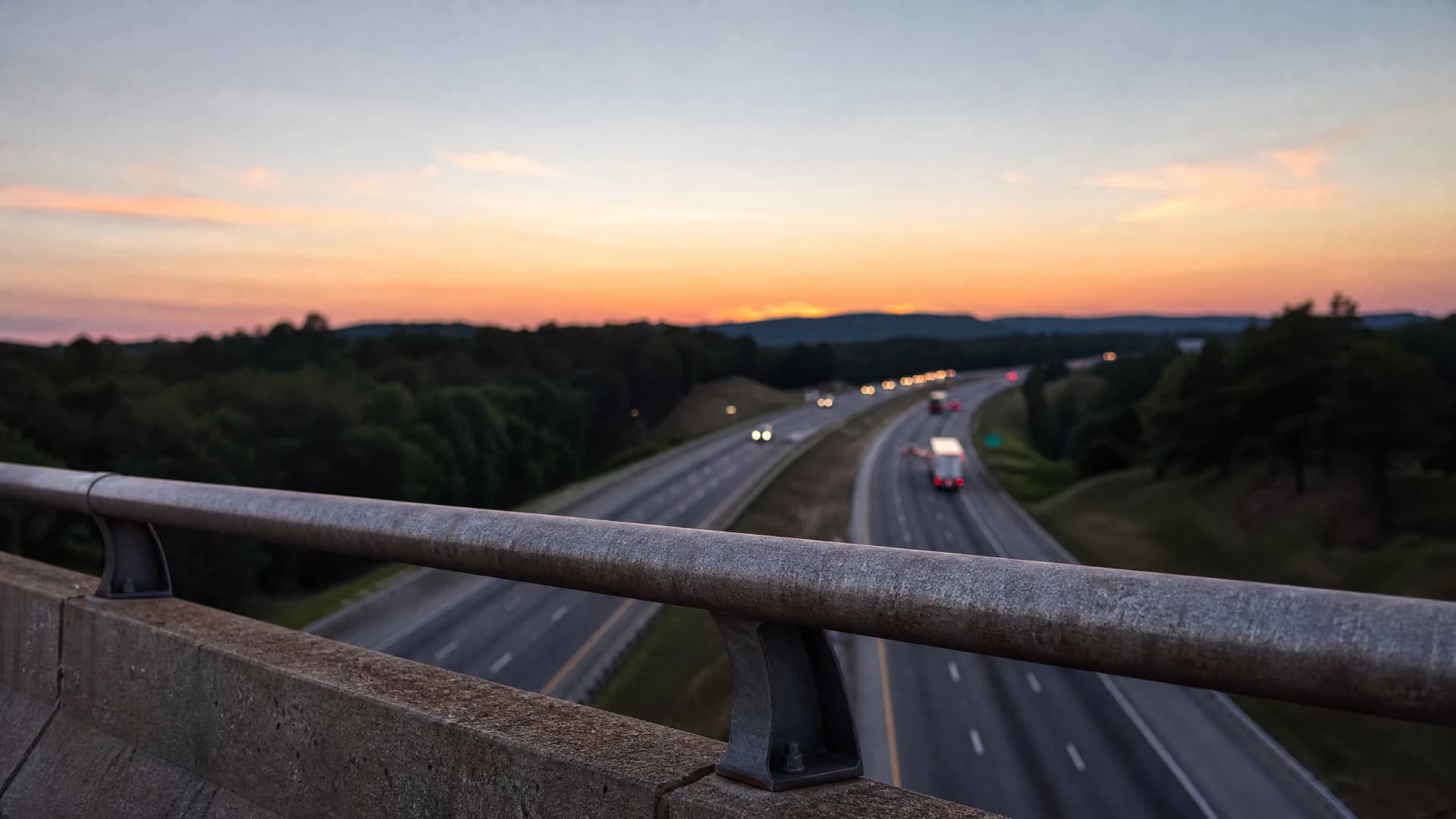
If you quote a preferred or standard carrier for a DUI suspension, you will be rejected. Non-standard carriers write what the other two tiers will not.
Related Articles





Non-Owner Policies Close the Gap
If you do not currently own a vehicle, a non-owner SR-22 policy satisfies the state's insurance requirement. Non-owner policies provide liability coverage when you drive a vehicle you do not own: a borrowed car, a rental, or a vehicle registered to someone else in your household. The policy does not cover a specific vehicle. It covers you as a driver. The SR-22 filing attached to a non-owner policy proves to the Secretary of State that you carry the required liability minimums, which is the only proof the state requires to issue an RDP or approve reinstatement.
Non-owner SR-22 policies cost less than standard policies because they exclude collision and comprehensive coverage. Typical monthly premiums for non-owner SR-22 in Illinois range from $45 to $85 per month for drivers with a single DUI suspension, and $65 to $110 per month for drivers with multiple violations or refusal-to-test convictions. Dairyland, The General, Progressive, and GAINSCO all write non-owner SR-22 policies in Illinois. If you plan to reinstate your license but do not yet have access to a vehicle, start with a non-owner policy. You can convert to a standard policy later when you purchase or register a vehicle.
The Secretary of State does not distinguish between non-owner SR-22 filings and vehicle-specific filings. Both satisfy the proof-of-insurance requirement for RDP applications and reinstatement. The filing itself is identical. The only difference is the underlying policy structure.
3 years
Illinois SR-22 Filing Period
Illinois requires SR-22 filing for three years from the date of reinstatement or RDP issuance for most suspension triggers, including DUI convictions and uninsured-motorist violations. If your policy lapses or is cancelled during the three-year period, your carrier notifies the Secretary of State electronically and your license is re-suspended immediately.
625 ILCS 5/7-602

What Happens When Coverage Lapses
Illinois uses an electronic insurance verification system. When you purchase SR-22 coverage, your carrier files the certificate electronically with the Secretary of State. When your policy is cancelled or lapses for non-payment, your carrier files a cancellation notice the same day. The Secretary of State receives the cancellation notice within 24 hours and suspends your license automatically. You do not receive advance warning. The suspension is effective immediately upon cancellation.
If your license is re-suspended due to SR-22 lapse, you must purchase new coverage, file a new SR-22, pay a $70 reinstatement fee, and in some cases attend a new Secretary of State hearing depending on the original suspension cause. For DUI-related suspensions, a lapse can reset your three-year SR-22 requirement period, meaning you start the clock over from the date you reinstate after the lapse. Maintaining continuous coverage for the full three-year period is the only way to satisfy the filing requirement and avoid re-suspension.
Start With Carriers Who Write Your Tier
Call or quote online with Dairyland, Bristol West, The General, or GAINSCO first if your suspension involves a DUI, refusal to test, reckless driving, or uninsured-motorist conviction. These carriers underwrite high-risk SR-22 policies as core business and will quote you a bindable premium rather than rejecting the application outright. If your suspension is points-based or stems from a single minor violation, Progressive, Geico, or State Farm may write coverage at a lower premium than non-standard carriers, but only if your violation falls within their underwriting criteria.
Request quotes from at least three non-standard carriers. Premiums vary by as much as 40% between carriers for the same driver profile in Illinois. Dairyland may quote $95 per month while GAINSCO quotes $135 for identical coverage limits and SR-22 filing. The variance reflects each carrier's proprietary risk model and current appetite for specific violation types. Shopping three carriers takes under two hours and can save you $500 or more over the first year of the filing period. Compare monthly premiums in your county and verify that the quoted policy includes SR-22 filing before you bind coverage.
Documentation the RDP Hearing Requires
The SR-22 is not a separate insurance product. It is a certificate your carrier files electronically with the Illinois Secretary of State proving you carry at least the state minimum liability coverage: $25,000 per person for bodily injury, $50,000 per accident for bodily injury, and $20,000 for property damage. Your carrier files the SR-22 the same day you purchase the policy in most cases, but the Secretary of State's system takes one to five business days to process and index the filing. If your RDP hearing is scheduled within three business days of purchasing coverage, bring a printed copy of your SR-22 certificate and your insurance ID card to the hearing in case the electronic filing has not yet processed.
The RDP application requires proof of employment, medical need, education enrollment, or participation in a court-ordered treatment program. You must also pay the $8 application fee and submit any required evaluation documentation. For DUI-related suspensions, a drug and alcohol evaluation is mandatory and must be completed before the hearing. The Secretary of State will not issue an RDP without proof of SR-22 insurance on file, regardless of hardship need. Secure coverage before you schedule the hearing. Showing up without proof of insurance results in automatic denial.
Get Your Free Quote
Get My Illinois SR-22 Auto Insurance QuoteFrequently Asked Questions
Can I get SR-22 insurance in Illinois if I have a DUI suspension?
Yes. Non-standard carriers like Dairyland, Bristol West, The General, and GAINSCO specialize in SR-22 policies for DUI suspensions in Illinois. Preferred and standard carriers typically reject DUI-related SR-22 applications, but non-standard carriers underwrite them as core business.
How much does SR-22 insurance cost in Illinois after a DUI?
Monthly premiums for SR-22 coverage after a DUI in Illinois typically range from $95 to $180 depending on your age, county, and number of violations. Non-owner SR-22 policies cost $45 to $110 per month. Premiums vary significantly between carriers for the same driver profile.
Do I need SR-22 insurance to get a Restricted Driving Permit in Illinois?
Yes. The Illinois Secretary of State requires proof of SR-22 insurance at your RDP hearing. The SR-22 filing must be on record with the state before your hearing date or your RDP application will be denied regardless of hardship need.
What happens if my SR-22 insurance lapses in Illinois?
Your carrier files a cancellation notice electronically with the Secretary of State the same day your policy lapses. The state suspends your license immediately. You must purchase new coverage, file a new SR-22, and pay a $70 reinstatement fee to restore driving privileges.
Can I get a non-owner SR-22 policy in Illinois if I don't have a car?
Yes. Non-owner SR-22 policies provide liability coverage when you drive a vehicle you do not own and satisfy the state's SR-22 filing requirement. Dairyland, The General, Progressive, and GAINSCO all write non-owner SR-22 policies in Illinois.
How long do I need to maintain SR-22 insurance in Illinois?
Illinois requires SR-22 filing for three years from the date of reinstatement or RDP issuance for most suspension triggers, including DUI and uninsured-motorist violations. If your coverage lapses during the three-year period, your SR-22 requirement may reset and you start the clock over.