
Compare SR-22 Quotes After a Second Violation — Illinois
Free to compare
Why Your Second Violation Changed Which Carriers Will Quote You
Your second violation moved you out of the standard insurance market. The carriers you used after your first violation — the ones that wrote your SR-22 then — may not write you now. A second DUI, a second at-fault accident during an SR-22 period, or accumulated points that breach your carrier's underwriting ceiling all trigger the same market shift: you now need a non-standard carrier, and only four operate aggressively in Illinois.
Most drivers waste time requesting quotes from carriers that will decline them outright or quote rates so inflated they function as soft denials. The comparison that matters is not Progressive versus State Farm. It is Dairyland versus The General versus Bristol West versus GAINSCO — the four non-standard carriers confirmed writing second-violation SR-22 risks in Illinois. Their rates diverge by hundreds of dollars annually for identical coverage, and comparison is the only mechanism that surfaces the gap.
“The carrier that quoted you lowest after your first violation likely won't write your second. You're comparing the wrong tier if you're still requesting quotes from them.”

See What an SR-22 Really Costs in Illinois
Get My Illinois SR-22 Auto Insurance Quote3 years
Illinois SR-22 Filing Period
Illinois requires SR-22 filing for 3 years after a DUI conviction or other serious violation, measured from the conviction date. The filing must remain continuous — any lapse restarts the clock and triggers immediate suspension.
Illinois Secretary of State Safety and Financial Responsibility Division
The Structural Reality of Second-Violation Underwriting
After a second violation, standard and preferred carriers exit. State Farm wrote SR-22 for first violations but does not underwrite second DUIs. Geico writes some first-violation risks but declines most second violations. Progressive writes broader risk than most standard carriers but still applies underwriting ceilings that second violations frequently breach.
The non-standard tier exists specifically for drivers standard carriers decline. Dairyland, The General, Bristol West, and GAINSCO write second-violation SR-22 in Illinois as core business, not exception underwriting. Each uses different risk models. Each prices the same driver differently. The carrier that quotes lowest for a 35-year-old with two DUIs may quote highest for a 50-year-old with one DUI and one reckless driving conviction.
Comparison is not optional margin-trimming. It is the structural solution to pricing variance across carriers writing the same risk tier. Without it, you accept whichever carrier you contact first, which statistically overpays by 20 to 40 percent relative to the lowest available quote for your specific profile.
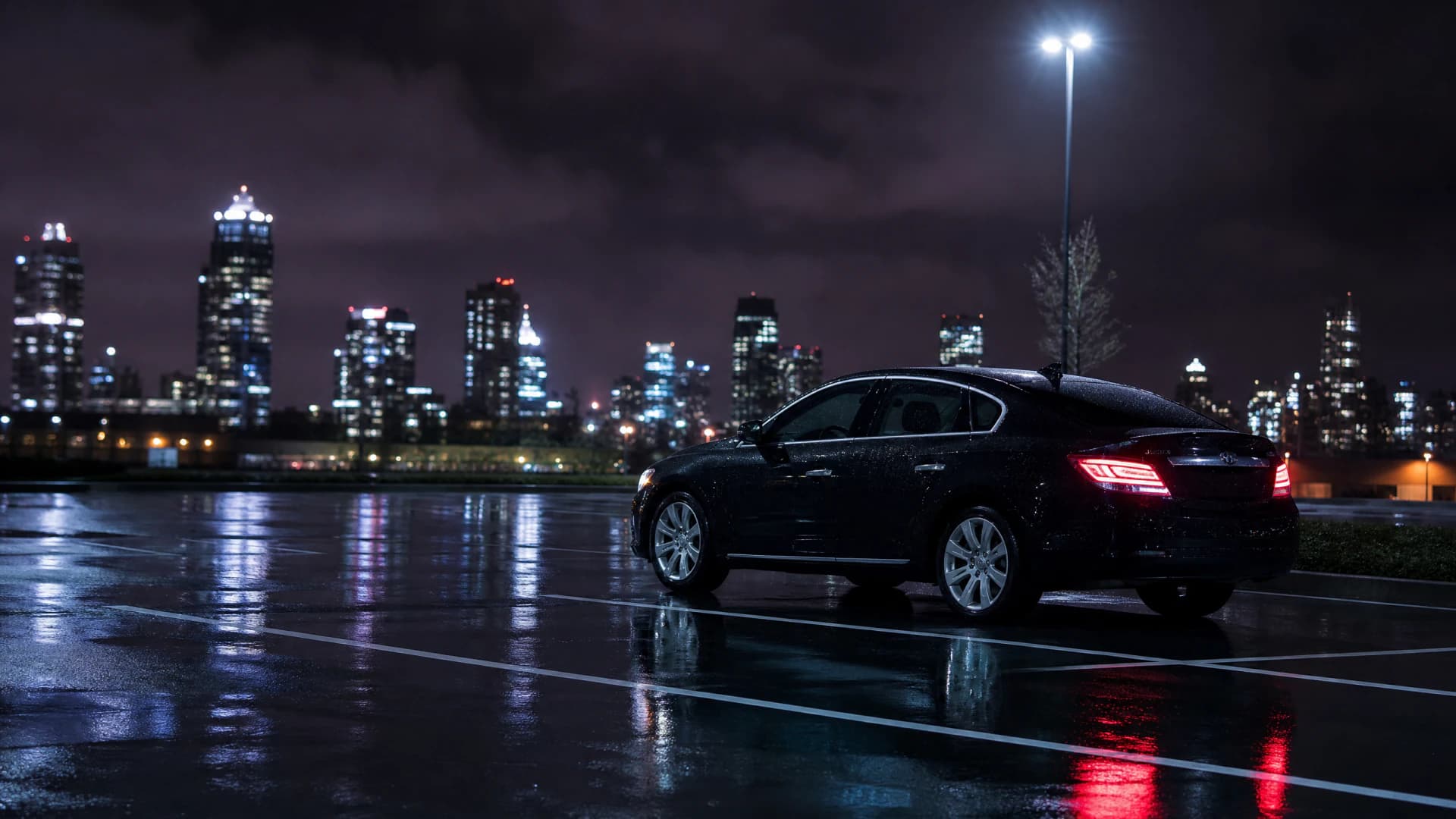
Standard-tier carriers that wrote your first SR-22 will likely decline your second violation outright. You are comparing the wrong market if you are still requesting quotes from them.
Related Articles






What Drives Rate Variance Across Non-Standard Carriers
Non-standard carriers weight violation type, violation recency, and driver age differently. Dairyland applies heavier discounts for drivers over 50 with spaced violations. The General prices aggressively for younger drivers with clustered violations. Bristol West underwrites some commercial vehicle operators standard carriers decline. GAINSCO offers installment plans that reduce upfront payment but increase total annual cost.
County of residence affects rate more in the non-standard tier than in standard markets. Cook County non-standard rates run 25 to 40 percent higher than collar-county rates for identical driver profiles due to theft frequency and uninsured-motorist collision rates. A driver in DuPage County comparing the same four carriers as a driver in Cook County will see different rank order — the lowest carrier in one county is not automatically lowest in another.
Vehicle type shifts carrier pricing in the non-standard tier. Older vehicles with liability-only coverage quote lower across all four carriers, but the degree of discount varies. Financed vehicles requiring comprehensive and collision coverage push rates higher, and lenders often require lower deductibles that further increase premium. If you no longer own the vehicle involved in your second violation and now drive an older paid-off car, your rate comparison will reflect that favorably — but only if you compare, because the magnitude of discount varies by carrier.
$500
Illinois DUI Reinstatement Fee
Illinois charges $500 to reinstate a license after a first DUI revocation, and $1,000 for a second or subsequent DUI. This fee is separate from SR-22 insurance costs and must be paid before the Secretary of State will restore driving privileges.
Illinois Secretary of State reinstatement fee schedule

The Cost of Not Comparing After a Second Violation
A second violation SR-22 policy in Illinois runs three years. The rate difference between the highest and lowest non-standard carrier quote for the same driver typically ranges from $600 to $1,400 annually. Over three years, that gap compounds to $1,800 to $4,200 in overpayment for functionally identical coverage and filing service. The comparison takes less than two hours if you request all four quotes in one session.
Some drivers accept the first quote they receive because they assume all non-standard carriers price similarly. They do not. Non-standard underwriting is less standardized than standard-tier underwriting specifically because risk models diverge more at higher-risk profiles. The actuarial assumptions each carrier applies to second violations vary, and those assumptions produce rate spreads too wide to ignore.
Request Quotes from the Four Illinois Non-Standard SR-22 Carriers
Start with Dairyland, The General, Bristol West, and GAINSCO. Provide your license number, violation dates, conviction dates, vehicle VIN, and current address. Specify that you need SR-22 filing as part of the quote. If any carrier cannot access your Illinois driving record during the quoting process, provide certified copies from the Secretary of State to avoid underwriting delays after binding.
Compare total annual premium, not monthly payment. Some carriers quote monthly but charge installment fees that increase total cost by 8 to 15 percent annually. Others offer paid-in-full discounts that reduce total annual cost. The lowest monthly payment is not always the lowest annual cost. Request the annual total before deciding.
Bind the lowest quote and confirm electronic SR-22 filing to the Illinois Secretary of State before your current coverage or filing lapses. A lapse between your old policy and new policy cancels your SR-22, triggers immediate suspension, and restarts the three-year filing period from the new filing date. Overlap your effective dates by at least one day to avoid this.
How to Compare Non-Standard SR-22 Carriers in Illinois
Request quotes from all four non-standard carriers confirmed writing second-violation SR-22 in Illinois: Dairyland, The General, Bristol West, and GAINSCO. Dairyland operates online and by phone. The General offers online quoting. Bristol West requires a broker in most regions but accepts direct online applications in some Illinois counties. GAINSCO operates online with agent support. All four file SR-22 electronically to the Illinois Secretary of State within one business day of policy binding.
Provide identical coverage selections to each carrier. Illinois requires $25,000 bodily injury per person, $50,000 per accident, and $20,000 property damage as minimum liability. Non-standard carriers will quote state minimums, but your reinstatement conditions or probation terms may require higher limits. If your court order or Secretary of State notice specifies limits, use those figures across all four quotes. Comparing different coverage levels across carriers produces useless data — you need identical coverage to isolate carrier pricing differences.
Get Your Free Quote
Get My Illinois SR-22 Auto Insurance QuoteFrequently Asked Questions
Do all insurance carriers in Illinois write SR-22 for second violations?
No. Most standard and preferred carriers decline second violations outright or apply underwriting restrictions that function as soft denials. Four non-standard carriers — Dairyland, The General, Bristol West, and GAINSCO — write second-violation SR-22 as core business in Illinois. Comparing all four is the only way to surface the lowest available rate for your profile.
How much does SR-22 insurance cost after a second violation in Illinois?
Rates vary by carrier, age, violation type, violation spacing, vehicle, and county. Non-standard carriers price the same driver differently, and the spread between the highest and lowest quote typically ranges from $600 to $1,400 annually. Comparison is the only mechanism that identifies the lowest rate for your specific profile.
Can I keep my current insurance carrier after a second violation?
Most standard carriers non-renew policies after a second violation. If your carrier wrote your first SR-22, contact them to confirm they will write your second violation before assuming continuity. If they decline or quote a rate significantly higher than non-standard carriers, switching to a non-standard carrier that specializes in second-violation risk will likely save money.
How long does Illinois require SR-22 filing after a second violation?
Illinois requires SR-22 filing for 3 years after a DUI conviction or other serious violation, measured from the conviction date. The filing period does not change based on whether it is your first or second violation — both require 3 years of continuous filing. Any lapse restarts the period and triggers immediate suspension.
What happens if I let my SR-22 insurance lapse during the 3-year period?
Your carrier notifies the Illinois Secretary of State electronically within 24 hours of cancellation. The Secretary of State suspends your license immediately, and the 3-year SR-22 filing period restarts from the date you file new SR-22 and reinstate your license. You also face a reinstatement fee and potential extended suspension depending on lapse duration.
Should I compare quotes every year or only when my SR-22 requirement starts?
Compare when your SR-22 requirement starts and again at each annual renewal. Non-standard carrier pricing shifts as violations age and as your claims history changes. A carrier that quoted highest in year one may quote lowest in year two. Annual comparison ensures you are not overpaying as your risk profile improves over the 3-year filing period.
Do non-standard carriers file SR-22 electronically or by mail in Illinois?
All four non-standard carriers confirmed writing second-violation SR-22 in Illinois — Dairyland, The General, Bristol West, and GAINSCO — file SR-22 electronically to the Illinois Secretary of State. Electronic filing completes within one business day of policy binding. Paper filings are slower and increase the risk of suspension due to processing delays.