
Cheapest Insurance After Breathalyzer Refusal — Illinois
Free to compare
Why Refusal Cases Cost the Same But Take Longer
You refused the breathalyzer during a traffic stop and received a Statutory Summary Suspension notice from the Illinois Secretary of State. The suspension period is 12 months for first-offense refusal — double the 6-month period for drivers who took the test and failed. This administrative suspension took effect 46 days after your arrest, separate from any criminal DUI charge moving through court.
Carriers price breathalyzer refusal identically to failed-test DUI when underwriting SR-22 policies. The structural reality: Illinois law treats refusal as its own violation under 625 ILCS 5/11-501.1, but insurance companies lump both triggers into the same high-risk tier. Your longer suspension period does not reduce your premium — it extends the timeline before you can drive legally again, which is why finding the cheapest SR-22 carrier matters more in refusal cases than failed-test cases.
“Illinois treats breathalyzer refusal as a 12-month suspension — double the failed-test period — but carriers price both triggers identically when underwriting SR-22 policies.”

See What an SR-22 Really Costs in Illinois
Get My Illinois SR-22 Auto Insurance Quote12 months
IL First Refusal Suspension
Illinois imposes a 12-month Statutory Summary Suspension for first-offense breathalyzer refusal, compared to 6 months for drivers who submitted to testing and failed. The suspension begins 46 days after arrest unless contested at a rescission hearing.
625 ILCS 5/11-501.1
The RDP Window Opens After 30 Days Hard Suspension
After the first 30 days of your 12-month suspension, you become eligible to apply for a Monitoring Device Driving Permit through the Illinois Secretary of State. The MDDP allows driving to work, medical appointments, school, alcohol treatment programs, and other court-approved essential activities — but only with a Breath Alcohol Ignition Interlock Device installed in your vehicle.
The MDDP is not automatic. You apply through the Secretary of State's Safety and Financial Responsibility Division, submit proof of SR-22 insurance, pay the $8 application fee, and arrange BAIID installation with a state-approved vendor before the permit is issued. The 30-day hard suspension period cannot be shortened or waived — this window exists to separate casual offenders from drivers who genuinely need restricted driving privileges to maintain employment.
Many drivers assume the MDDP covers all driving once issued. It does not. The permit specifies exact routes, days, and hours approved by the Secretary of State based on your stated hardship need. Driving outside those parameters while holding an MDDP triggers automatic revocation of the permit and extends your full suspension period. Read the permit restrictions carefully before assuming you can drive freely.
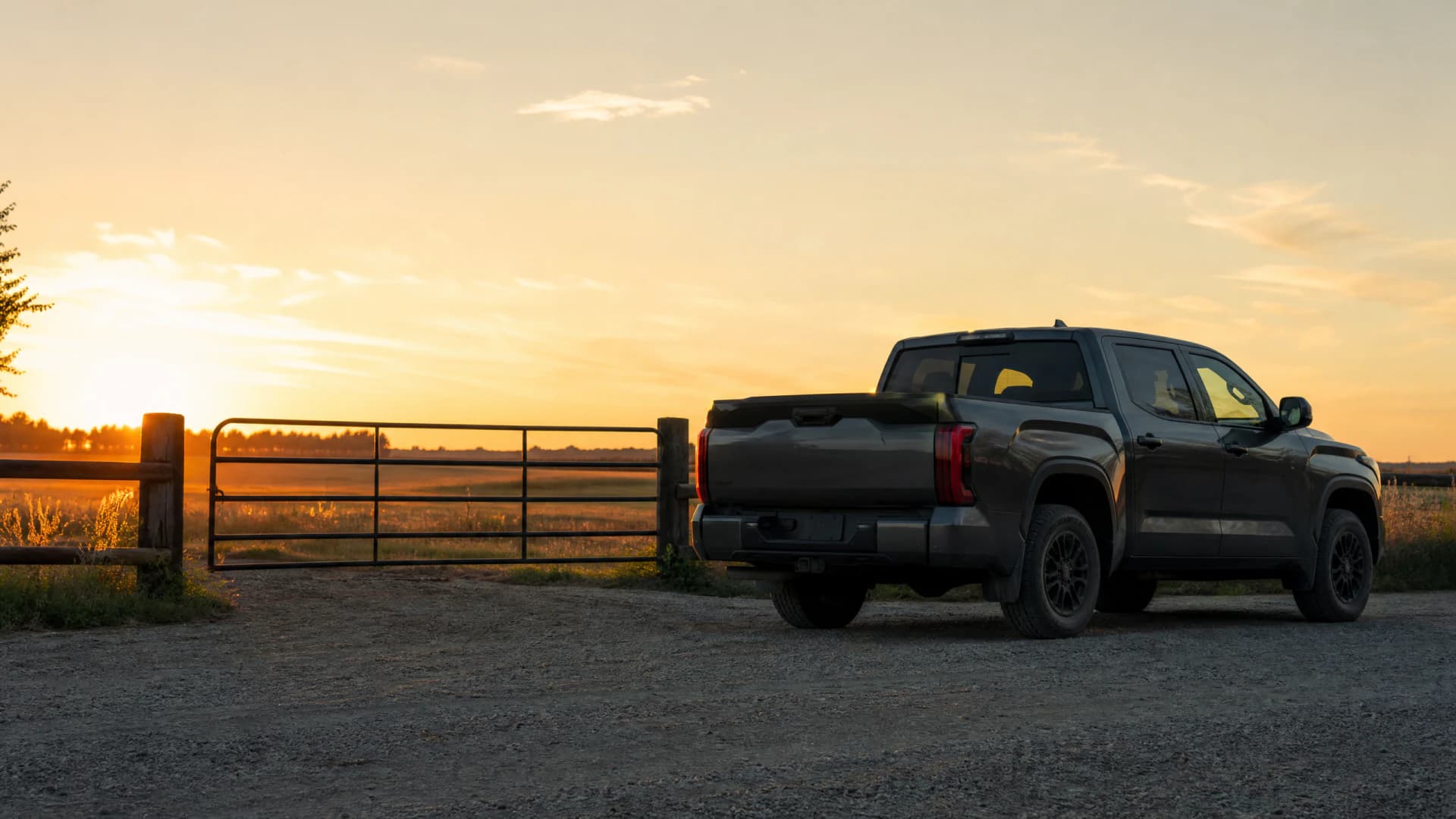
Non-standard carriers writing Illinois SR-22 after breathalyzer refusal price identically to failed-test DUI, but your 12-month suspension doubles the time you pay premiums before full reinstatement.



Why Non-Owner SR-22 Works for Drivers Without a Vehicle
If you do not own a vehicle but need SR-22 to apply for an MDDP, a non-owner SR-22 policy satisfies Illinois filing requirements at $35–$65/month — roughly half the cost of a standard owner policy. The non-owner policy provides liability coverage when you drive a borrowed or rented vehicle, and the SR-22 certificate attached to it proves financial responsibility to the Secretary of State.
Non-owner policies do not cover a vehicle you own, lease, or regularly use. If you plan to install a BAIID in a family member's car to comply with MDDP requirements, that vehicle must be listed on a standard SR-22 policy — either your own or added as a listed driver on the owner's policy with SR-22 attached. The Secretary of State cross-references vehicle registration data and will deny MDDP applications when the BAIID-equipped vehicle is not covered under an SR-22 policy naming you as a driver.
Dairyland, Progressive, The General, and GAINSCO all write non-owner SR-22 policies in Illinois. Dairyland typically quotes $40–$60/month for non-owner liability with SR-22 filing. GAINSCO runs slightly lower at $35–$55/month in most counties. Compare at least three carriers before binding — non-owner SR-22 pricing varies more by carrier underwriting philosophy than by your specific violation details.
$500
IL First DUI Reinstatement Fee
Illinois charges a $500 reinstatement fee for first-offense DUI revocations and Statutory Summary Suspensions, separate from the $70 base suspension fee. This fee is due at the end of your suspension period before full driving privileges are restored, and it does not cover the cost of SR-22 insurance or BAIID monitoring.
Illinois Secretary of State fee schedule
The SR-22 Filing Period Runs Three Years From Reinstatement
Illinois requires SR-22 filing for three years after your license is fully reinstated following a breathalyzer refusal suspension. The three-year clock does not start when you obtain the MDDP — it starts when your full unrestricted license is restored at the end of the 12-month suspension period. If your SR-22 policy lapses at any point during those three years, the Secretary of State suspends your license again and the three-year period resets from the new reinstatement date.
Carriers notify the Secretary of State electronically within 24 hours of policy cancellation or non-renewal. The suspension for SR-22 lapse is automatic — no warning letter, no grace period. You receive a suspension notice in the mail after the lapse has already occurred. Maintaining continuous SR-22 coverage for the full three years is the only way to avoid extending your total compliance period beyond the original timeline.
Compare Carriers Before the Hard Suspension Ends
Your 30-day hard suspension window is the comparison period. Carriers take 3–7 business days to process SR-22 applications and file certificates with the Secretary of State, and the SOS MDDP application requires proof of SR-22 on file before issuing the permit. Waiting until day 28 to shop coverage leaves you without an MDDP on day 31 when you are first eligible to drive under restriction.
Request quotes from at least three non-standard carriers during the first two weeks of your suspension. Provide your arrest date, refusal notice date, and the Secretary of State suspension letter when requesting quotes — carriers need this documentation to confirm SR-22 eligibility and calculate the filing period accurately. Bind coverage by day 20 of your suspension to ensure the SR-22 certificate reaches the Secretary of State before your MDDP application is submitted. Missing this window adds weeks to your restricted-driving timeline and extends the period you are paying for coverage without being able to drive.
Non-Standard Carriers Writing Refusal SR-22 in Illinois
Progressive, Geico, and State Farm write SR-22 policies for refusal cases in Illinois but route applications through their non-standard divisions. Progressive typically quotes $140–$210/month for minimum liability with SR-22 after refusal. Geico's non-standard arm prices slightly lower at $125–$190/month in metro counties. State Farm writes fewer refusal cases directly and often refers applicants to Bristol West or Dairyland, both of which specialize in high-risk DUI filings.
Dairyland and Bristol West are non-standard specialists that write breathalyzer refusal SR-22 as their primary business line. Dairyland quotes run $110–$175/month for 25/50/20 liability in Illinois. Bristol West prices similarly at $115–$180/month but may offer slightly better rates in Cook County due to higher competition. Both file SR-22 electronically with the Secretary of State within 24–48 hours of policy binding. The General and GAINSCO also write refusal cases statewide, with quotes typically landing $95–$160/month depending on age and violation history.
Get Your Free Quote
Get My Illinois SR-22 Auto Insurance QuoteFrequently Asked Questions
Does refusing a breathalyzer cost more for insurance than failing the test in Illinois?
No. Carriers classify breathalyzer refusal and failed breathalyzer identically when pricing SR-22 policies, typically $95–$210/month for minimum liability depending on the carrier and county. The refusal triggers a longer 12-month suspension period compared to 6 months for failed test, but monthly premiums do not differ between the two triggers.
Can I get a hardship license immediately after refusing the breathalyzer in Illinois?
No. Illinois imposes a mandatory 30-day hard suspension before you become eligible to apply for a Monitoring Device Driving Permit. The MDDP requires SR-22 insurance and installation of a Breath Alcohol Ignition Interlock Device, and the application is processed through the Secretary of State's Safety and Financial Responsibility Division after the 30-day period ends.
What happens if my SR-22 insurance lapses during my Illinois suspension?
The Illinois Secretary of State automatically suspends your license again if your SR-22 policy lapses, and the three-year SR-22 filing period resets from the new reinstatement date. Carriers notify the SOS electronically within 24 hours of cancellation, and there is no grace period — the suspension is immediate.
Do I need to own a car to get SR-22 after breathalyzer refusal in Illinois?
No. A non-owner SR-22 policy satisfies Illinois filing requirements at $35–$65/month if you do not own a vehicle. However, if you plan to install a BAIID in a family member's car to comply with MDDP requirements, that vehicle must be listed on a standard SR-22 policy naming you as a driver.
How long does SR-22 filing last after breathalyzer refusal in Illinois?
Illinois requires SR-22 filing for three years after your full license is reinstated following the 12-month suspension. The three-year period starts when your unrestricted license is restored, not when you obtain the MDDP. If your SR-22 lapses during those three years, the filing period resets from the new reinstatement date.
Which carriers write SR-22 for breathalyzer refusal in Illinois?
Progressive, Geico, State Farm, Dairyland, Bristol West, The General, and GAINSCO all write SR-22 policies for breathalyzer refusal cases in Illinois. Non-standard specialists like Dairyland and Bristol West typically offer the lowest rates at $95–$180/month for minimum liability with SR-22 filing.